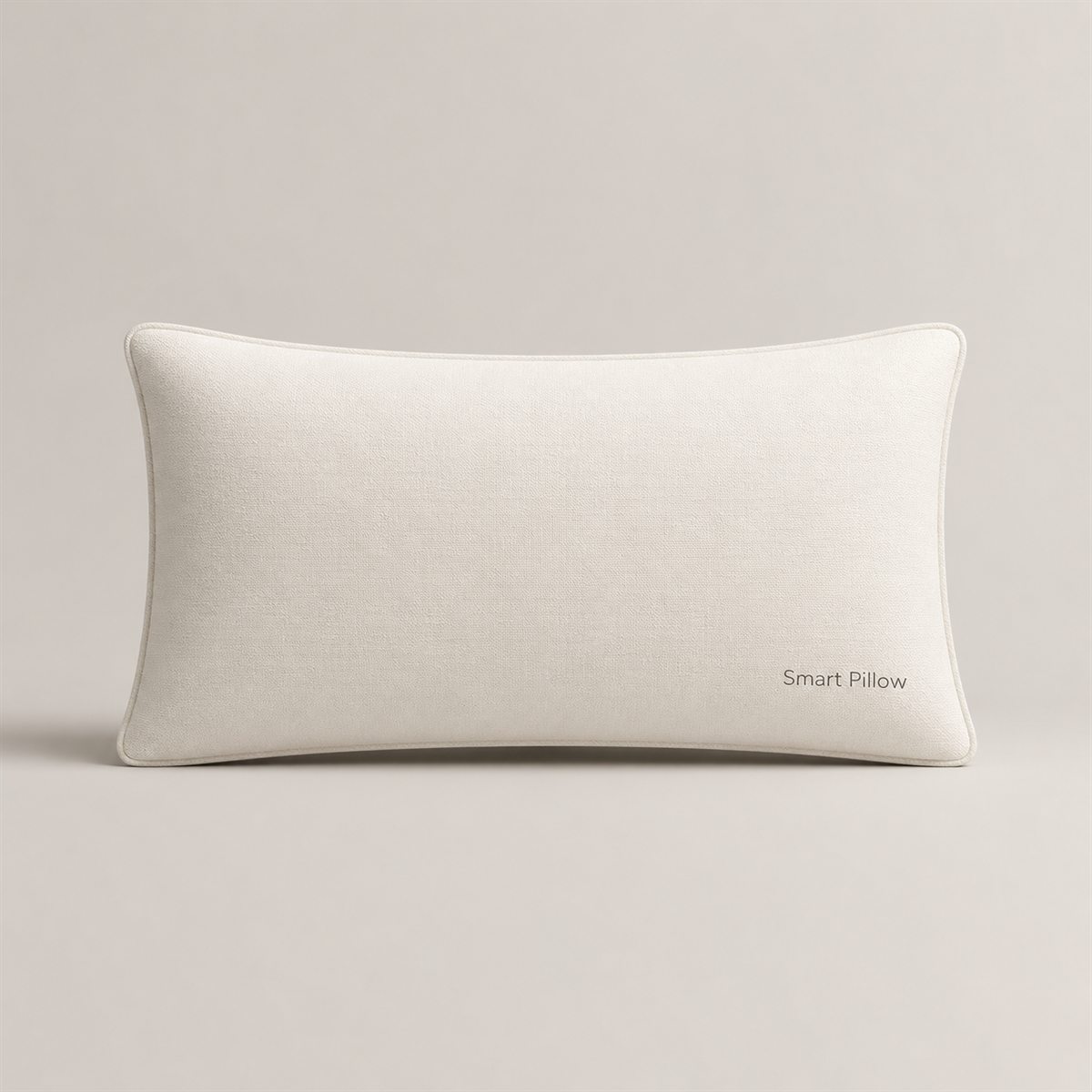
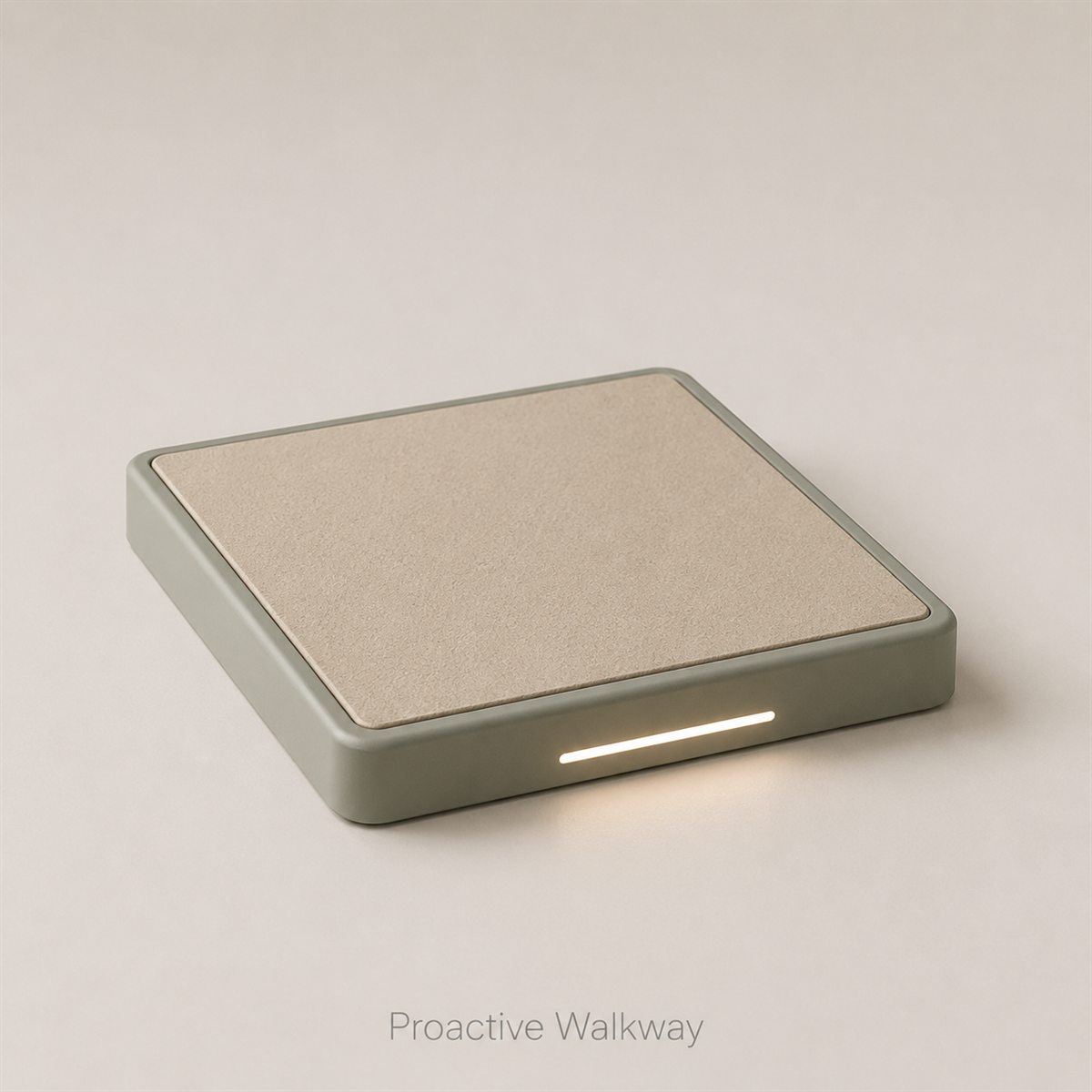
The Snowdon System unites a passive monitoring Smart Pillow with a Proactive Walkway — predictive health insight and proactive fall safety that blend invisibly into the home. No wearables. No cameras.
Falls and poor sleep are two of the most common — and most costly — threats to independence in residential aged care. The Snowdon System is built to address both, quietly and continuously.
Nearly 60% of residents fall at least once a year, and 1 in 4 of those falls leads to hospitalisation.
Wabe et al., 2022
A single injurious fall costs around $2,494 on average — before ongoing rehabilitation and lost independence.
Okafor et al., 2025
More than 50% of older adults live with insomnia, and 84% report feeling too hot at night — lowering sleep quality.
Sleep research, 2022
Preventing a single fall — or restoring one good night's sleep — never stops with the resident. The benefit cascades outward to carers, to facilities, and to the whole community.
Passive monitoring flags risk early, and cooler, calmer sleep adds around 23 minutes a night.
Every fall averages about two hours of staff time. Prevent it, and that time returns to care.
Fewer emergencies means less burnout — and more presence and patience for residents.
Fewer injurious falls — roughly $2,494 each — frees facility budget to reinvest in people.
Confidence, mobility and dignity compound into healthier, more independent years.
Prevention compounds. That snowball — safer, calmer, more affordable and more dignified care — is the whole point of the Snowdon System.
Staff-time and cost figures: Wabe et al., 2022; Okafor et al., 2025. Sleep gains: thermoregulated-pillow research, 2022.
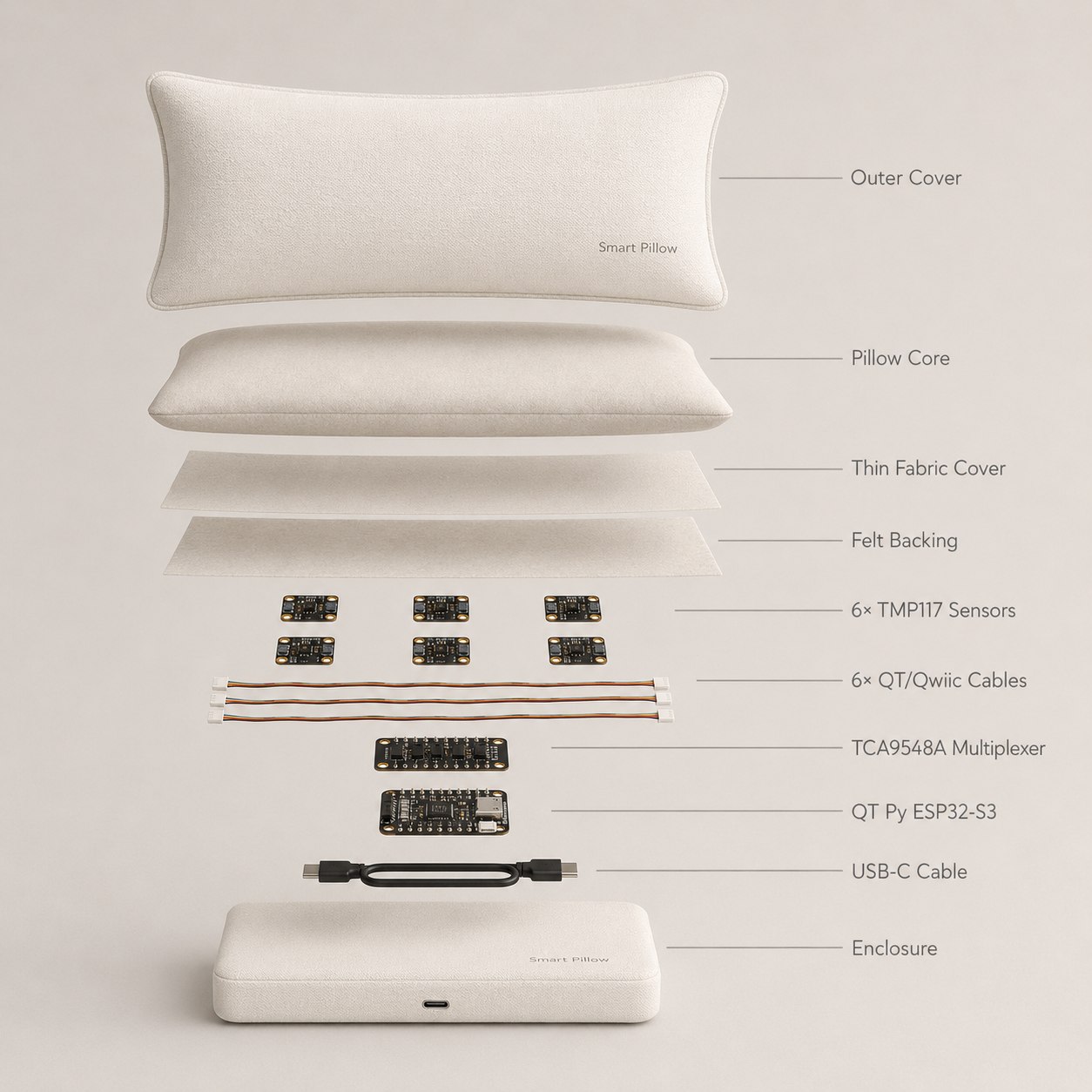
A passive six-sensor thermal grid sits just beneath the cover, mapping temperature across the night — no wearables, no charging, no setup for the resident. Just a normal, comfortable pillow.
Six TMP117 sensors in a 3×2 grid resolve micro-fluctuations in body temperature to ±0.1°C.
STEMMA QT / Qwiic wiring feeds a TCA9548A I²C multiplexer for clean, reliable multi-sensor data.
A QT Py ESP32-S3 processes and streams readings silently over Wi-Fi to carers or dashboards.
Thin, interlocking floor tiles light the way at night while quietly analysing gait and detecting emergencies.
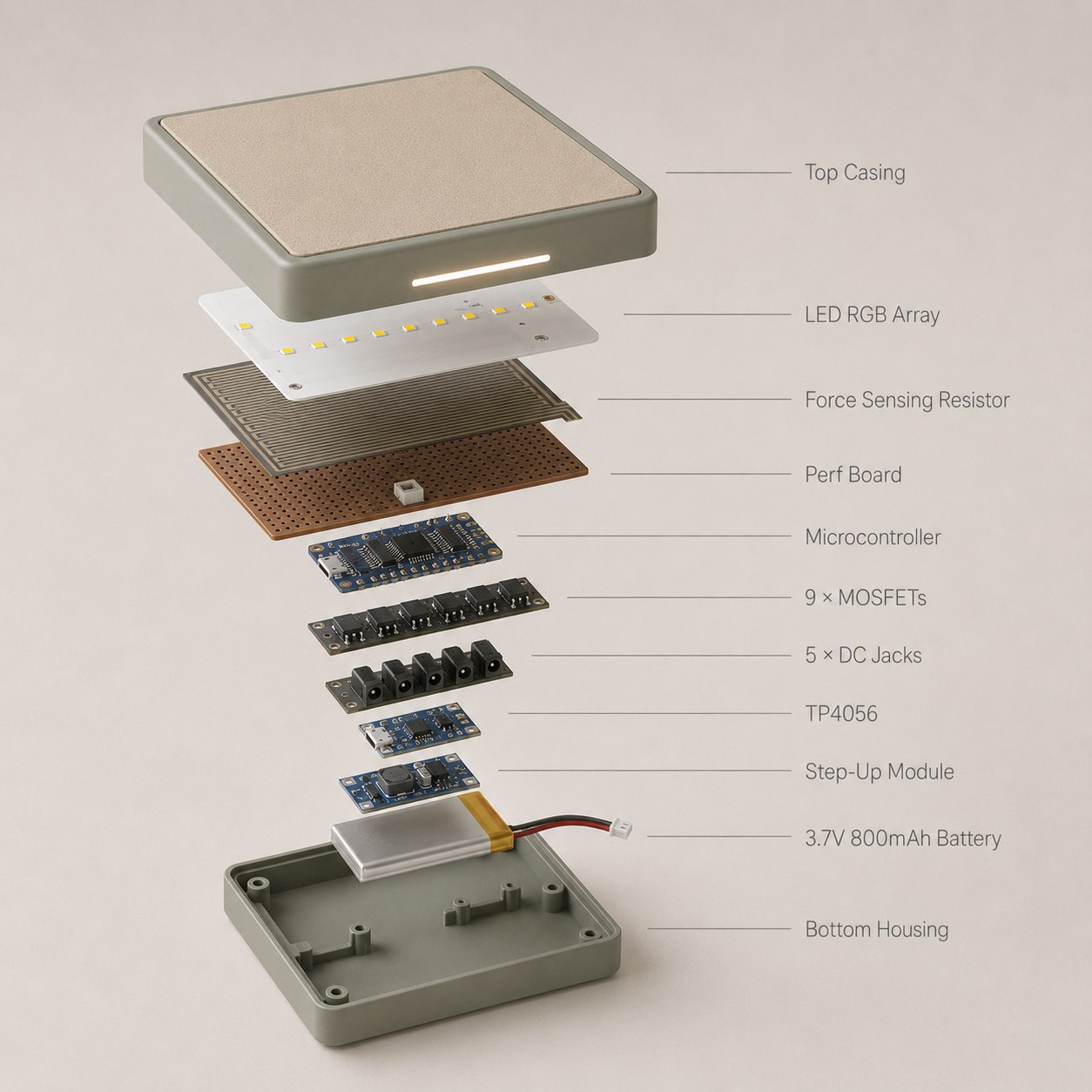
Each tile is an independent node. At just 30 N of pressure the path lights up, guiding a safe route.
Continuous analysis of step timing, speed and stride helps flag mobility decline before it leads to a fall.
An abrupt >50 N load across 4+ tiles without onward movement triggers an alert to nominated contacts.
Detects an impact >50 N spread across 4+ tiles at once, distinguishing a human fall from a dropped object using surrounding tile data.
Spatial pattern recognition ignores canes, walkers and stationary objects to prevent false alarms.
Sealed, water-resistant enclosures suit bathrooms, kitchens and entryways — the highest-risk zones.
A rechargeable battery backup in the primary tile keeps lighting and fall detection alive through power outages — with a 15-year design life.
Force-sensing resistors detect pressure on a tile.
The microcontroller analyses the input instantly.
Warm LED path lighting activates simultaneously.
Speed, timing and consistency are aggregated over time.
This project is personal. Our team lead, Gabriel, works in an aged-care home and meets these challenges first-hand every day — and many of us have family and close friends who either work in the industry or live in care themselves.
That closeness is the heart of everything we build. We're not designing for a market — we're designing for people we know and love, with our sights set on improving residents' daily wellbeing and helping them live longer, fuller lives.
It's a commitment to carers, too. Nurses, personal-care assistants and support workers — people like Gabe — are too often overstretched. When residents are safer and sleeping better, their carers can spend less time on emergencies and more time on care.
We're building a direct, lasting connection with the Blacktown community in Western Sydney — co-designing with culturally and linguistically diverse seniors and the people who care for them.
Through focus groups, multilingual large-print materials and on-the-ground workshops, we design with the community — not just for it.
Tell us about your facility and we'll show you how the Snowdon System fits in — starting with a single room.